
Sierra Leone: Reality by the Cup
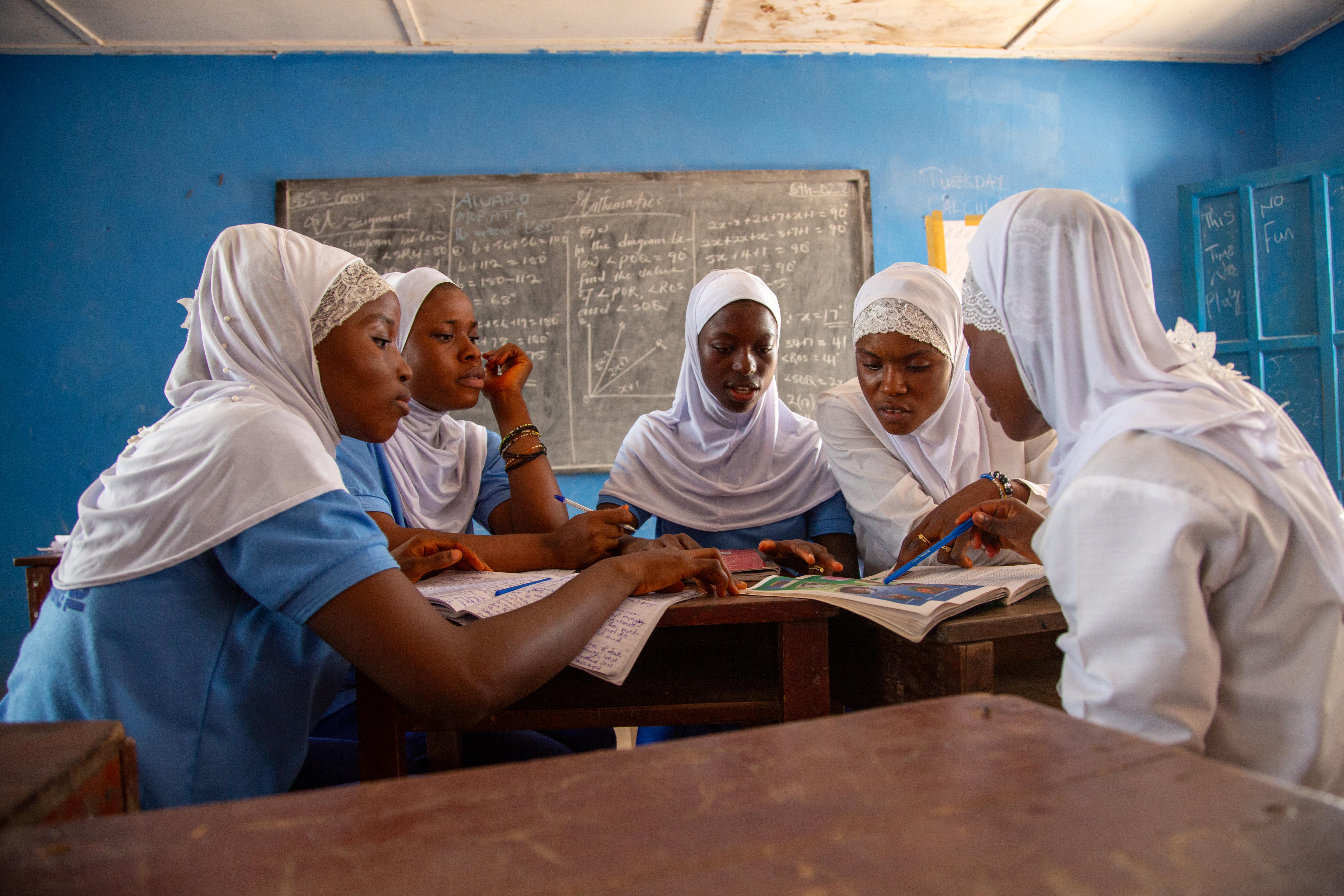
In West Africa, families who once could afford to buy a bag of rice can now only buy it by the cup—and at a premium. In the more privileged part of the world, saying we "can't afford" things because of inflation can start to feel distorted.
Returning to Sierra Leone After Five Years
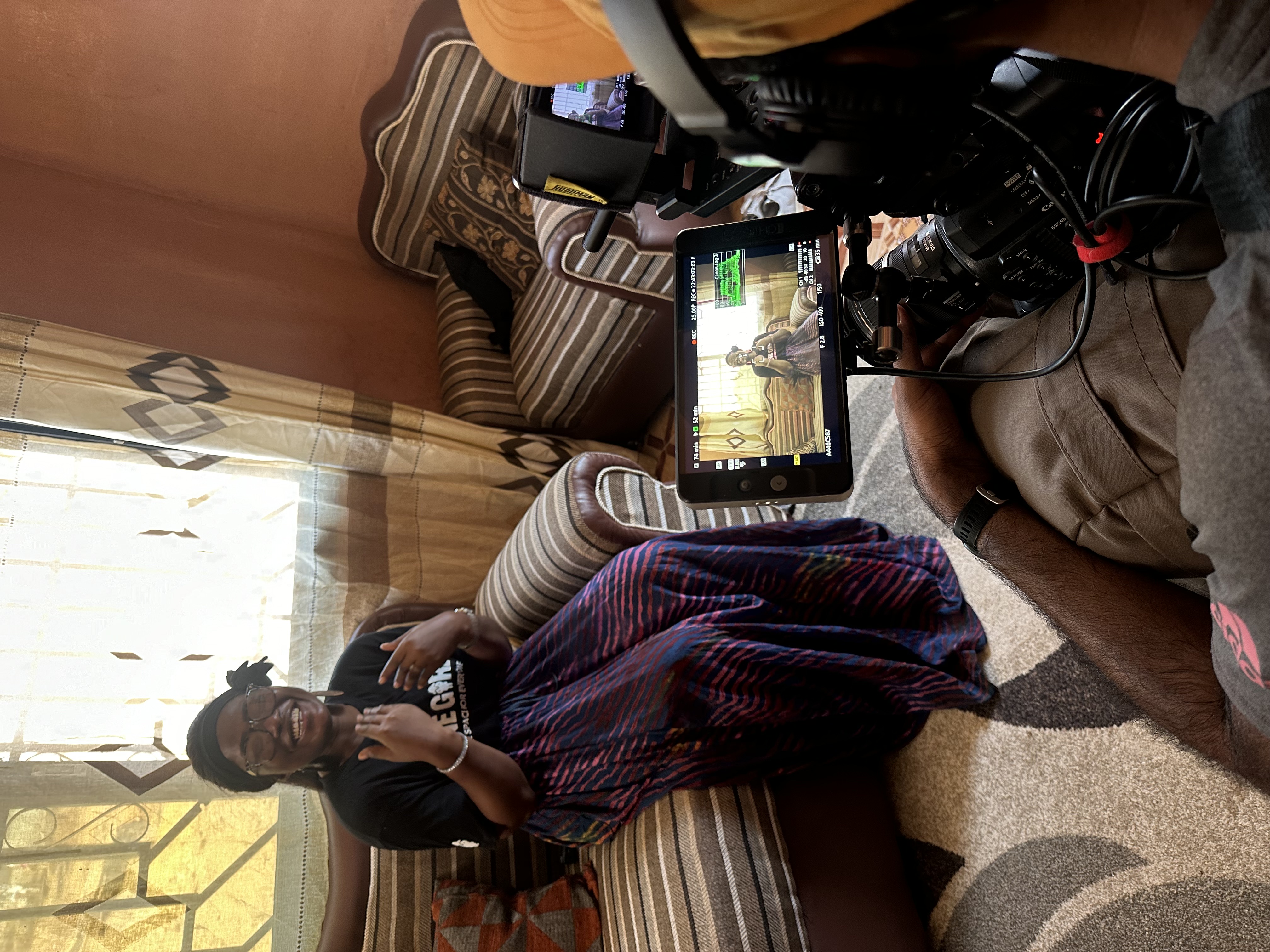
Vidad and I first travelled to Sierra Leone in 2019 with the charity One Girl. We were there to document how girls were missing months of school simply because of the silence and lack of access to basic menstrual hygiene knowledge.
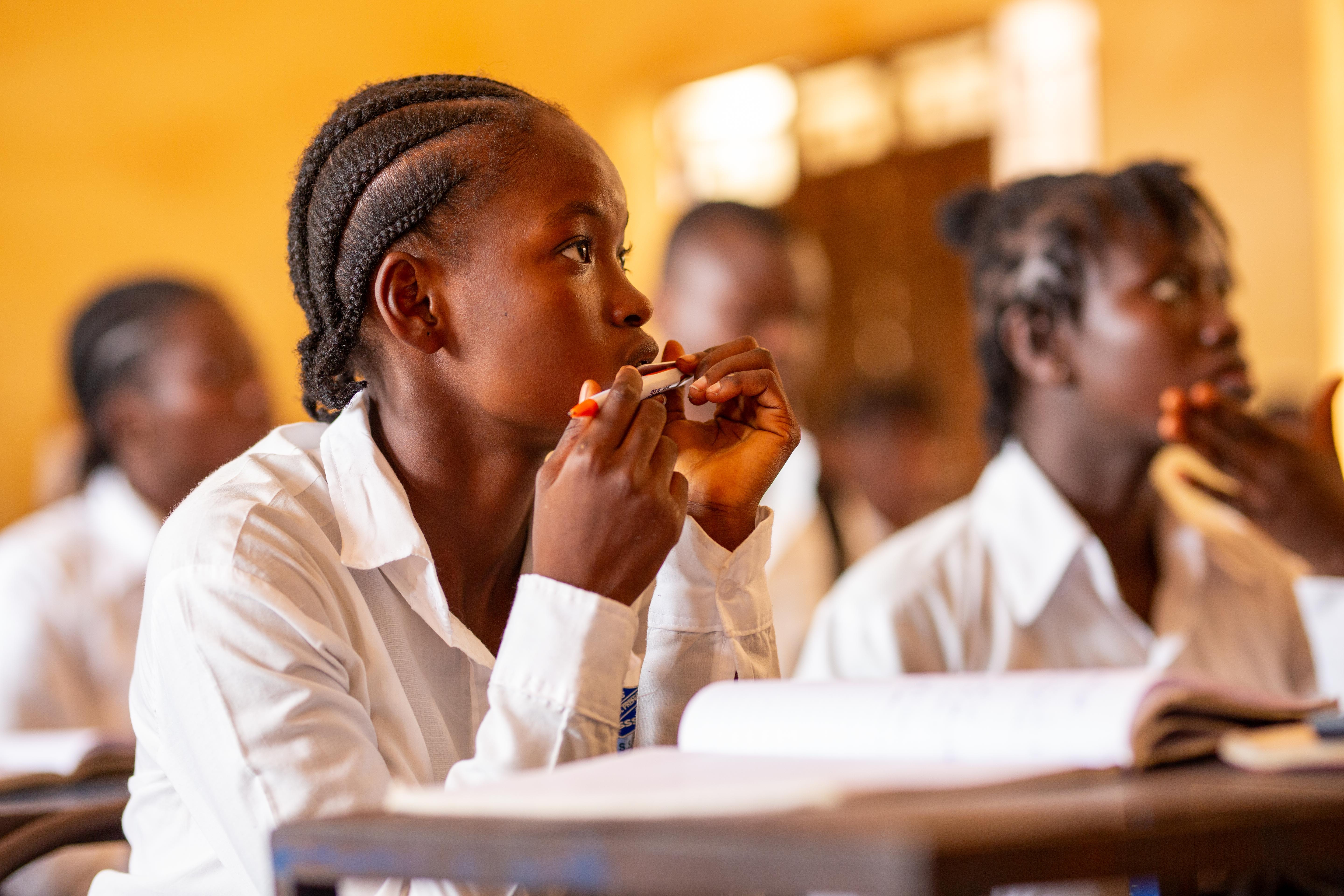
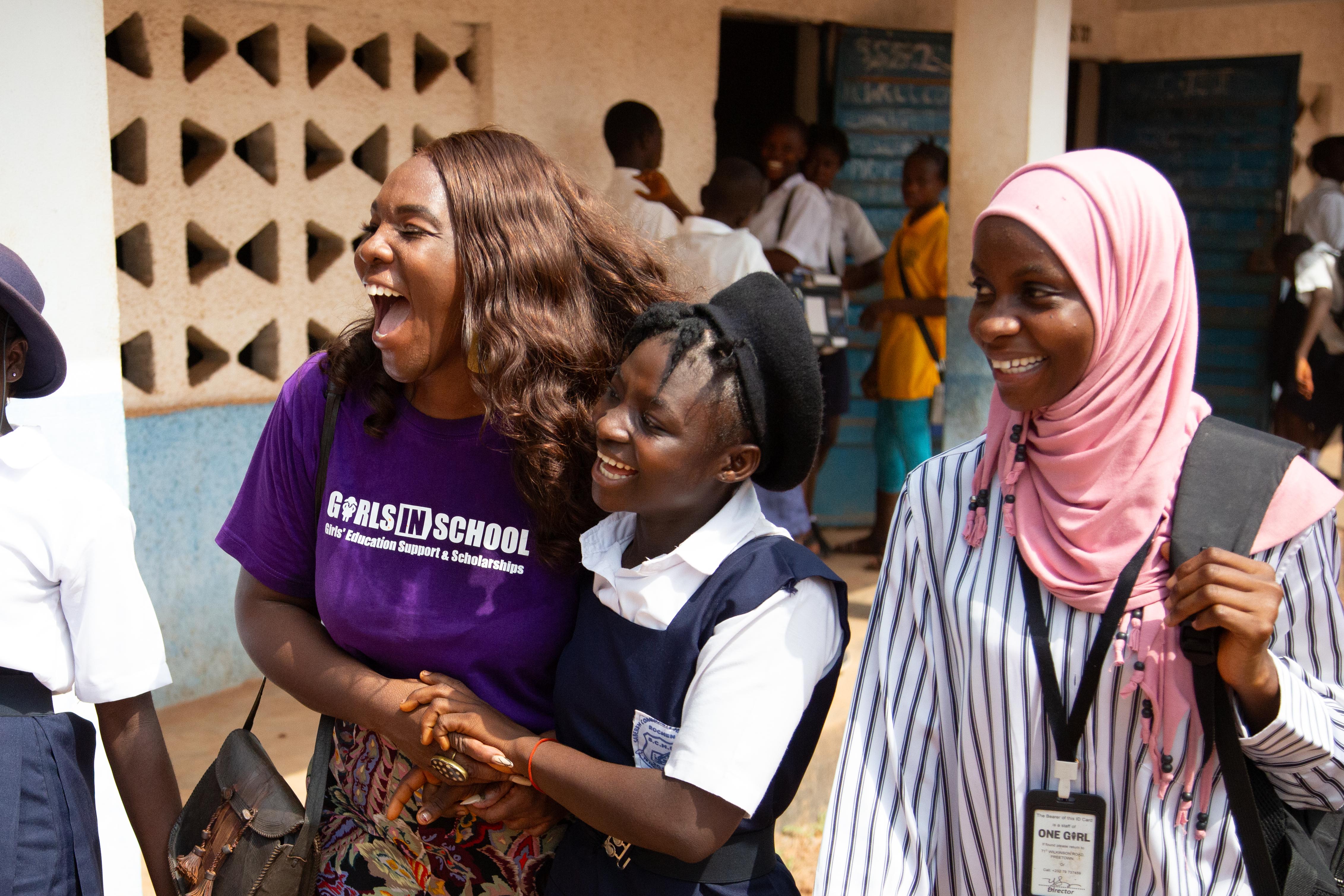
Five years later, returning and seeing some of the same students again was beautiful and heartwarming. They were taller, more confident, and hopeful about their futures. It was exciting to see One Girl's programmes in full effect—providing equal opportunity and the right to education. But much of the environment around them had grown harsher.
The Cost of Living Crisis in West Africa
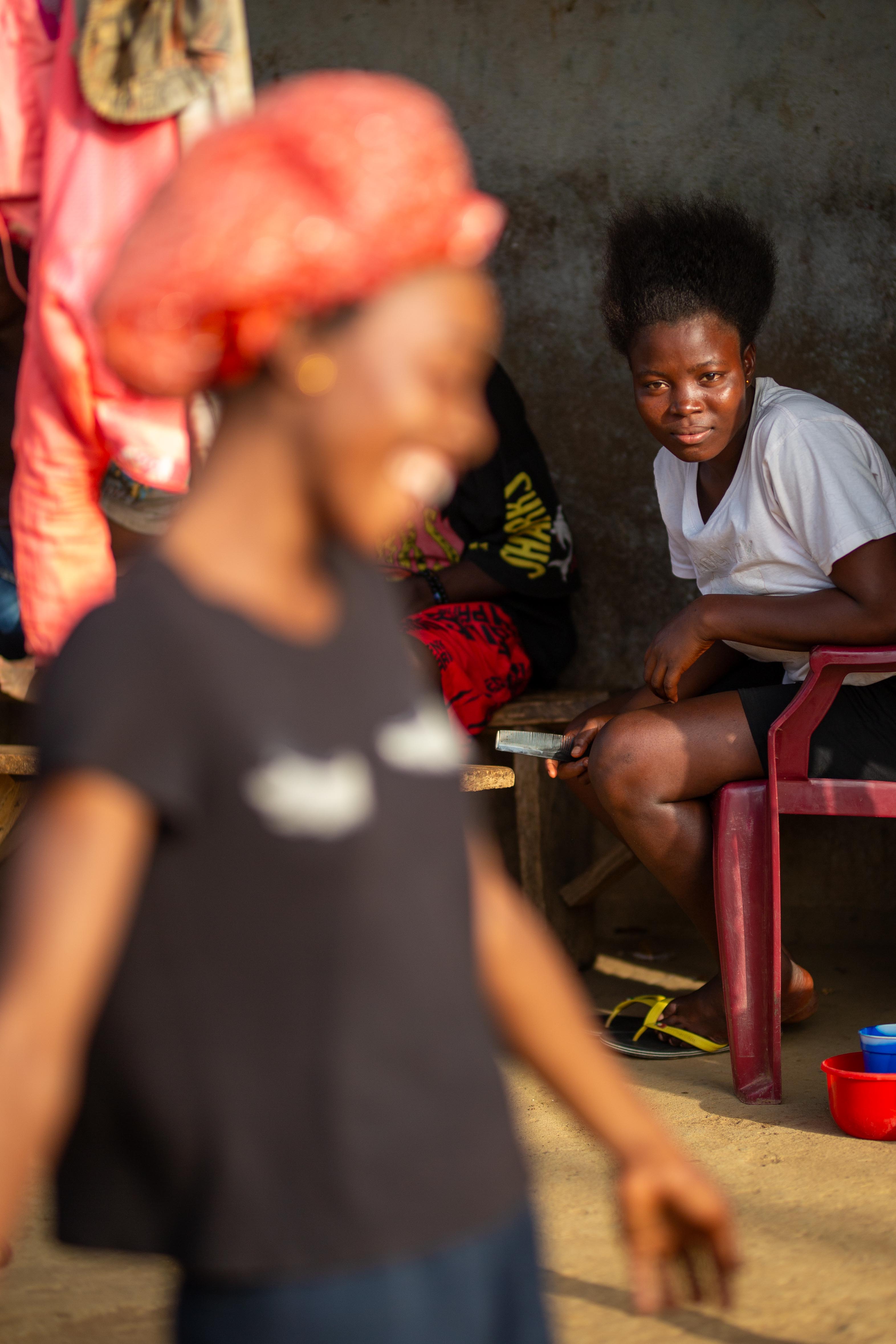
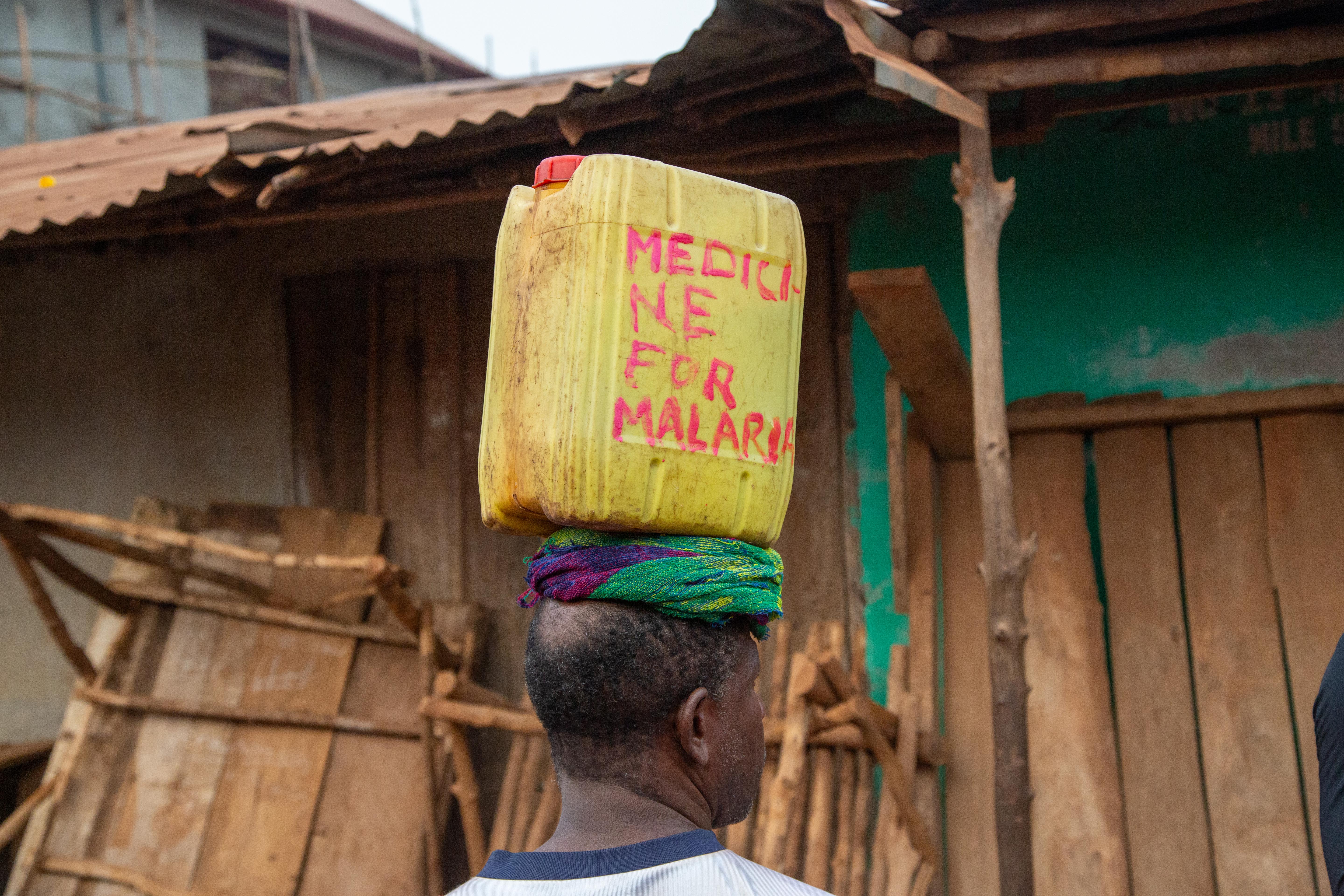
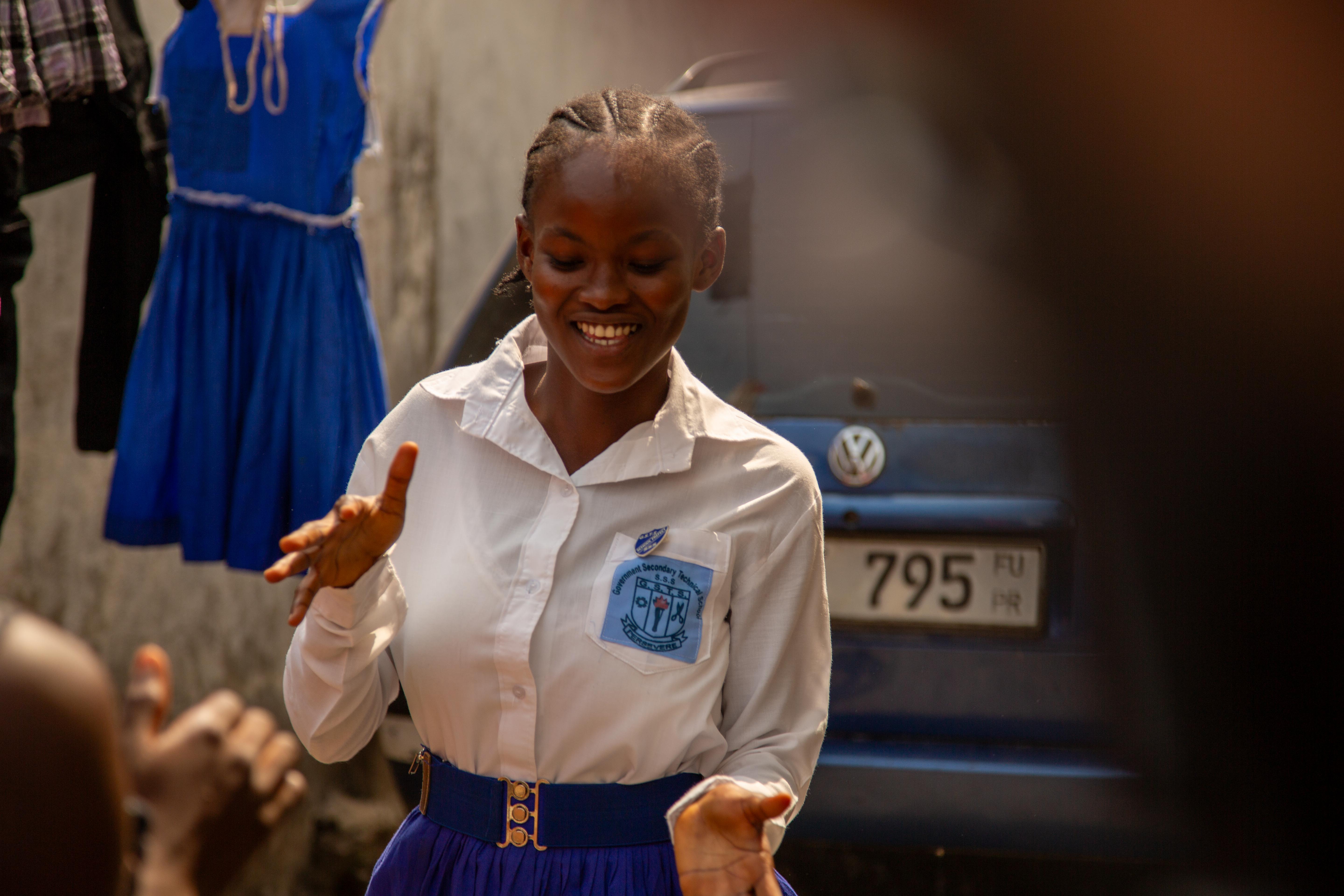
The cost of living in Sierra Leone has spiralled. It has everywhere, however its impact is significantly felt when the average wage is $40 USD per month. One of the students we filmed had a hot chocolate for breakfast before walking an hour to get to school. The cost of school supplies has up to tripled between 2021 and 2023—a calculator going from $35 to $100.
Yet the women we met welcomed us into their homes and communities whilst caring for their children, cooking with very little, and praying to give thanks for the life they had lived that day.
The Christmas Beach Trip: Joy in Simple Moments
One of the more touching films we created was the Christmas campaign, which followed girls who had never been to the beach or eaten a hamburger before. Moments that seem ordinary to us became scenes of pure joy and wonder. It was a stark reminder of how layered privilege really is.
Filming their genuine reactions—the excitement of seeing the ocean for the first time, the curiosity about a hamburger—required trust. These weren't manufactured moments for the camera. They were real experiences, shared with us because we'd taken the time to build genuine relationships first.
Being Welcomed Into Communities
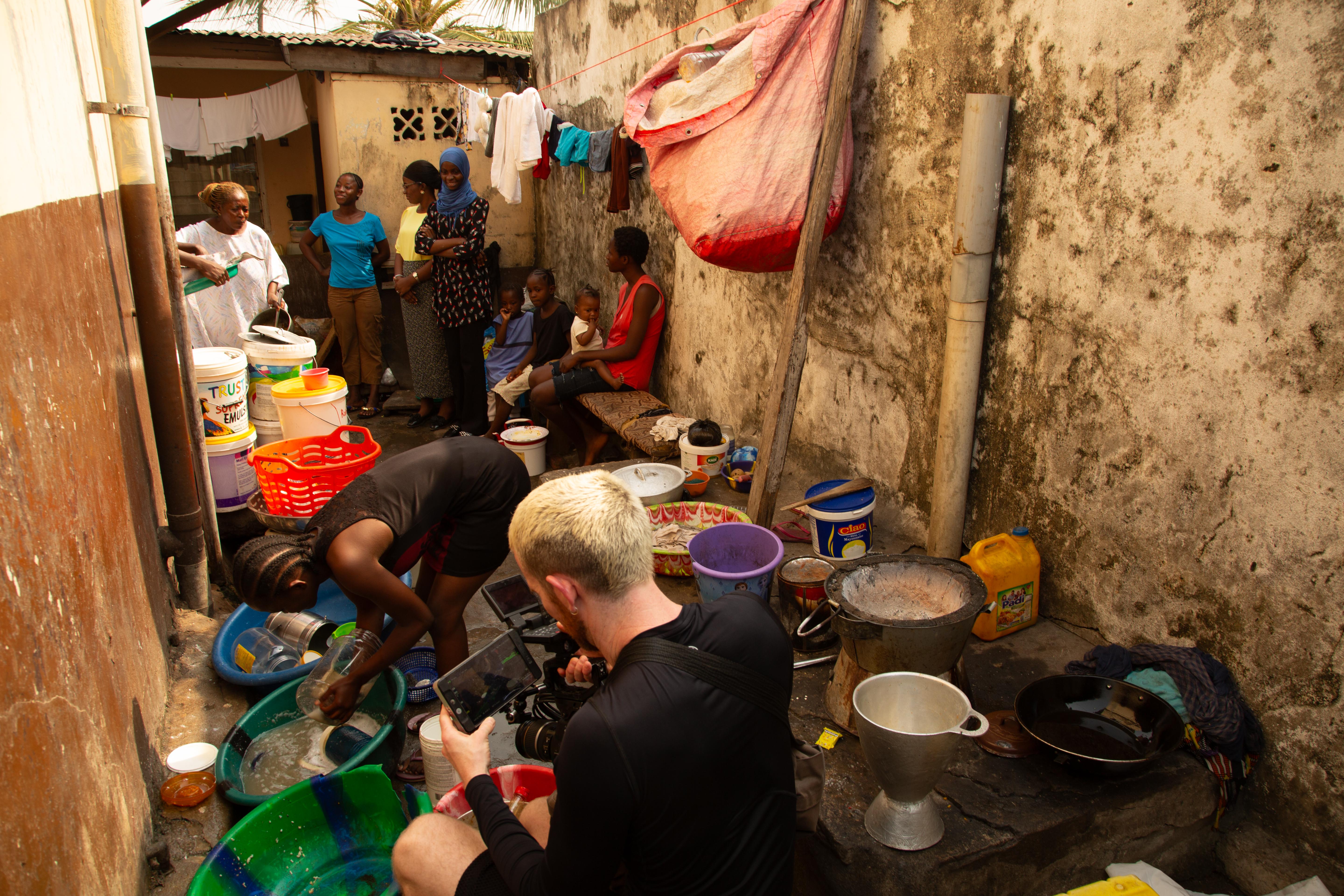
We were welcomed through communities by local women's groups singing and dancing as they escorted us through villages. We learned from young school girls about the challenges they faced. We heard about the way of life from people living in rural villages who had so little materially but such strong community bonds.
The generosity was overwhelming. Families invited us into their homes. Mothers shared their struggles and hopes for their daughters. Students opened up about navigating education in conditions that would seem impossible to most.
Privilege, Perspective, and Purpose
It's easy in the West to spiral into existential dread—worrying about purpose and what we're doing on this planet. I'm not saying we can't feel stressed or overwhelmed. But this trip reminded me: even having the space to stop, do nothing, feel safe, and reflect is itself a privilege.
Round 3 has allowed me to learn more about the world than I ever thought possible. This project exemplified that. We didn't just create videos—we witnessed resilience, dignity, and hope in circumstances that would break many of us.
The Work and Its Impact
Since returning, we've been working with One Girl to share these stories through four short documentary films created over the past year. The content has been used across email campaigns, social media, and fundraising drives.
One campaign featuring Georgetta's story generated a major $60,000 donation during their End of Financial Year appeal—despite widespread cost-of-living challenges affecting donor capacity across Australia. According to One Girl's Digital Fundraising Lead, it outperformed every previous campaign they'd run.
That's the power of authentic storytelling. When you prioritise people first—building trust, honouring their truth, telling their stories with dignity—audiences respond. Not because we manipulated emotion, but because we captured something real.
What Documentary Work Teaches Us
This project reinforced everything we believe about documentary filmmaking:
Trust takes time. You can't rush genuine moments. We spent days building rapport before filming the most powerful scenes.
Flexibility matters. We arrived with one brief and pivoted to something better when we saw the stories unfolding. That creative freedom led to stronger work.
Context is everything. Understanding the cost-of-living crisis, the cultural context, the challenges these communities face—that knowledge shaped how we filmed and what we captured.
People first, always. Every subject deserves dignity and agency in how their story is told. We're not extracting content—we're collaborating to share important narratives.
Supporting One Girl
The work continues. One Girl's programmes provide girls with education, menstrual health resources, and the support needed to stay in school. The impact is real and measurable.
If you're moved by these stories, donate to One Girl today. Every contribution helps keep girls in classrooms, accessing healthcare, and building futures.
Bryce McCoy is co-director at Round 3 Films, a Melbourne-based video production company specialising in documentary storytelling for social impact, brands, and broadcast.